
How Engaged Is America With Wellness Trends in 2026?
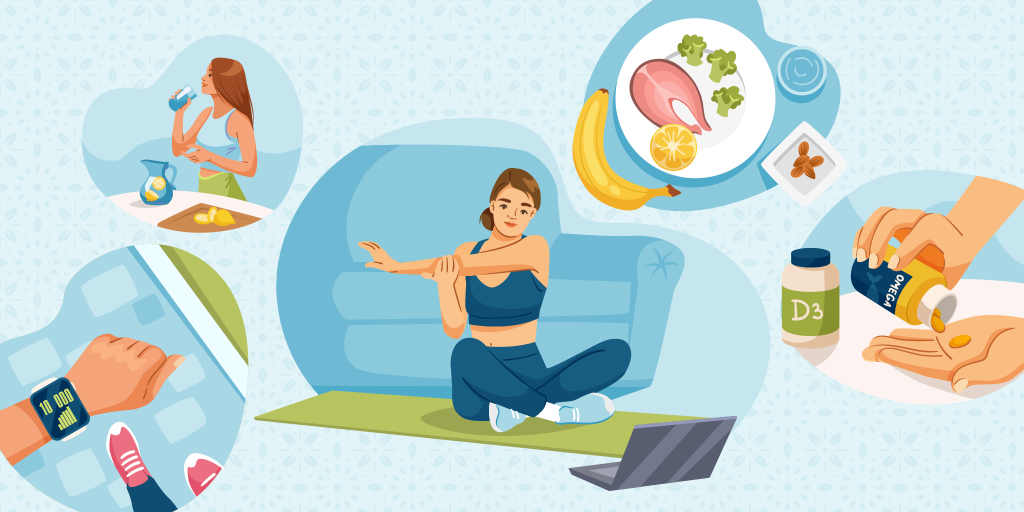
Wellness has become more than a personal goal. For many Americans, it is part of their daily routines, their grocery lists, their social media feeds, and even their monthly budgets. From protein-added snacks and wearable health trackers to supplements, cold plunges, gut health products, and intermittent fasting, wellness trends are shaping how people think about their health.
Some of these habits may support healthier lifestyles. Others require a more cautious, evidence-based approach, especially when they involve supplements, prescriptions, restrictive diets, or treatments promoted online. For nurses and future healthcare professionals, understanding these trends matters because patients often bring questions about wellness products and routines into clinical conversations.
To better understand where wellness culture is most active, we surveyed over 2,500 Americans across all 50 states about their engagement with health and wellness trends, products, and routines. Respondents answered questions about how much they spend on wellness each month, how many supplements or health products they use, how many wellness influencers they follow, and how many wellness trends they have tried.
Using those responses, we created a wellness engagement score for every state. Each metric was normalized and indexed on a 100-point scale to identify the states most engaged with health and wellness trends. Please note that this article is for informational use and not medical advice.
Which States Are Most Engaged in Health and Wellness Trends?
The five states with the highest wellness engagement scores were:
1. Tennessee — Score: 88.38
Tennessee ranked as the most wellness-engaged state in the country. More than one in four Tennessee respondents reported spending over $100 per month on wellness trends, products, apps, supplements, treatments, or routines. Residents had also tried an average of 5 different wellness trends, one of the highest averages in the survey.
Tennessee also stood out for the influence of online wellness culture. Nearly two-thirds of respondents in the state said they had purchased a wellness product because an influencer, creator, celebrity, podcast host, or online personality recommended it.
2. New York — Score: 87.21
New York ranked second overall and led the country in wellness influencer engagement. More than 28% of New York respondents said they follow five or more wellness influencers, fitness creators, nutrition accounts, doctors, biohackers, or wellness personalities online.
New Yorkers were also highly influenced by social media, with nearly 68% saying they had tried a wellness trend after seeing it online. The state also ranked high for protein-label influence: 75% of respondents said they are more likely to buy a food or drink if the label says it contains protein.
3. Illinois — Score: 80.47
Illinois ranked third overall and had the highest average number of wellness trends tried, at 5.16 trends per respondent. It also ranked highest in supplement use, with nearly 14% of respondents reporting that they take five or more supplements daily.
Illinois residents were also highly engaged with protein-forward products and social media-driven wellness. More than 60% said they had tried a wellness trend because they saw it on social media, and nearly 75% said a protein label makes them more likely to buy a food or drink.
4. Idaho — Score: 78.78
Idaho ranked fourth overall, driven by strong wellness spending and supplement use. Nearly 24% of Idaho respondents said they spend more than $100 per month on wellness, and 12% reported taking five or more supplements daily.
Idaho residents also tried an average of 4.7 wellness trends, placing the state among the highest for trend adoption.
5. Arizona — Score: 72.27
Arizona rounded out the top five with high engagement across several categories. More than 20% of respondents said they spend over $100 per month on wellness, and 10% reported taking five or more supplements daily.
Arizona also ranked above the national average for the number of wellness trends tried, with respondents reporting an average of 4.73 trends.
Which States are Least Engaged With Health and Wellness Trends?
A lower wellness engagement score does not mean residents are uninterested in health. Instead, it reflects lower engagement with trend-driven wellness behaviors as measured in this survey, including spending, supplement use, influencer following, and trends tried.
The five states with the lowest wellness engagement scores were:
Indiana — Score: 7.60
Indiana ranked lowest overall. Respondents reported an average of 3.34 wellness trends tried, the second-lowest average in the survey. The state also had lower wellness spending and influencer-following rates than many other states.
Nebraska — Score: 18.53
Nebraska ranked 49th overall. Respondents tried an average of 3.8 wellness trends, and fewer than 4% reported taking five or more supplements daily.
Missouri — Score: 22.94
Missouri ranked 48th overall, with lower levels of wellness spending, supplement use, and influencer following. Fewer than 10% of respondents reported spending more than $100 per month on wellness.
Colorado — Score: 24.24
Colorado ranked 47th overall. While the state showed higher wellness spending than some lower-ranked states, its combined score was brought down by lower engagement across other index factors.
Kentucky — Score: 25.42
Kentucky ranked 46th overall and had the lowest average number of wellness trends tried, at 3.22 per respondent.
These results show that wellness engagement is not defined by one behavior alone. A state may have higher spending but lower influencer engagement, or strong supplement use but fewer trends tried. The overall score reflects the combined picture.
What are the Most Popular Wellness Trends in America?
Across the country, the most common wellness trends were not necessarily the most extreme ones. Instead, familiar products and habits led the list. The most popular wellness categories were:
Supplements, vitamins, powders, or wellness pills — 79%
Supplements were the most widely tried wellness category. Nearly eight in 10 respondents said they had used supplements, vitamins, powders, or wellness pills in the past 12 months. Supplements can interact with medications, so patients are encouraged to tell healthcare providers about all supplements and medications they take.
Protein-added snacks — 55%
Protein continues to be one of the most influential wellness claims in the food aisle. More than half of respondents said they had tried protein-added snacks, and 64% said they are more likely to buy a food or drink if the label says it contains protein.
Gut health products — 48%
Gut health products, including probiotics, prebiotics, kombucha, kefir, and fermented foods, were the third-most common category.
Wearable health trackers — 41%
More than four in 10 respondents said they had tried wearable health trackers such as an Oura Ring, Whoop, Garmin, Apple Watch, or similar device.
Functional beverages — 33%
Greens powders, matcha, prebiotic sodas, and other functional beverages were also common, with one-third of respondents saying they had tried them.
Specialized Trends
More specialized trends were less common. About 18% of respondents had tried recovery treatments such as sauna, cold plunge, red light therapy, or cryotherapy. About 13% reported trying GLP-1 medications such as Ozempic, Wegovy, or Mounjaro.
Wellness retreats and biohacking tools were far less common, at 4% and 3%, respectively.
Which Diet Trends Have Americans Tried Most?
Diet trends were also a major part of wellness engagement. The most commonly tried diet trends were:
High-protein diet — 43.3%
High protein was the most popular diet trend, closely followed by intermittent fasting.
Intermittent fasting — 42.8%
Intermittent fasting was nearly tied with high-protein eating, showing how common timing-based eating patterns have become.
Keto — 29.3%
Keto ranked third, with nearly 3 in 10 respondents saying they had tried it.
Vegetarian — 21.7%
Vegetarian eating was also common, with more than 1 in 5 respondents saying they had tried it.
Mediterranean diet — 16.9%
The Mediterranean diet was more common among older respondents. In the survey, 29% of adults age 61 and older said they had tried it, compared with 10% of adults ages 18 to 28.
Diet trends can be deeply personal, and what works for one person may not be appropriate for another. Factors such as medical history, medications, pregnancy, chronic illness, nutritional needs, and activity level can all affect whether a diet is safe or sustainable.
How Does Social Media Shape Wellness Decisions?
Social media plays a major role in how Americans discover and try wellness industry trends. In our survey, 57% of respondents said they had tried a wellness trend because they saw it on social media.
Influencers also shaped purchasing behavior. Nearly half of Americans, 47%, said they had purchased a wellness product because an influencer, creator, celebrity, podcast host, or online personality recommended it.
These findings were especially pronounced among younger adults and women:
- Women were also more likely than men to buy a wellness product because of an influencer recommendation, at 53% compared with 36%.
- Women were more likely than men to try a wellness trend because of social media, at 64% compared with 44%.
- Adults ages 18 to 28 were the most likely age group to try a wellness trend because of social media, at 66%.
Only 15% of respondents said they always check with a medical professional or look for credible scientific evidence before trying a new wellness product, supplement, treatment, or routine.
That last finding may be one of the most important results of the survey. Wellness industry content can spread quickly online, but popularity is not the same as safety or effectiveness. For nurses and other healthcare professionals, this creates an opportunity to support patients with clear, respectful, evidence-based education.
Rather than dismissing wellness industry trends outright, healthcare professionals can ask patients what they are trying, what they hope to achieve, and whether they have experienced any side effects. These conversations can help patients make informed choices and feel more comfortable discussing wellness habits that may affect their care.
Who Is Most Engaged With Wellness Trends?
Wellness engagement varied by age and gender.
Younger adults were more likely to be influenced by social media. Two-thirds of adults ages 18 to 28 said they had tried a wellness trend because they saw it online, compared with 43% of adults ages 61 and older.
Younger adults were also the most likely to follow wellness creators. More than 42% of adults ages 18 to 28 followed at least four wellness creators, compared with 19% of adults ages 61 and older.
Older adults were more likely to be heavy supplement users. Adults ages 61 and older were more than six times as likely as adults ages 18 to 28 to report taking 10 or more supplements regularly.
Women showed higher engagement with several wellness categories. They were more likely than men to try non-toxic beauty, home, or food products and more likely to participate in trending group fitness classes such as Pilates, Barre, Hot Yoga, or Cycle.
Men were more likely than women to say they follow no wellness influencers at all. Nearly 46% of men said they do not follow any wellness creators, compared with 27% of women.
These differences show that wellness trends do not reach every group in the same way. Some trends spread through social platforms, while others may be tied to age, lifestyle, health needs, or consumer habits.
What Is the Most Popular Wellness Trend in Every State?
To see how public curiosity compares with survey behavior, we also looked at Google Trends search interest over the past 12 months.
Ozempic was the top-searched wellness trend in 23 states, making it the most common top search in the analysis. Oura was the top search in 10 states, followed by mocktails in six states and mouth taping in four states.
Search interest does not necessarily mean residents are using these products or treatments. Instead, it reflects curiosity. That distinction is important, especially for healthcare professionals. When a trend becomes highly searched, patients may have questions long before they decide whether to try it.
This is especially relevant for prescription medications like GLP-1s. FDA prescribing information identifies medications such as Wegovy and Mounjaro as GLP-1 or related receptor agonist medications indicated for specific medical uses, such as chronic weight management in certain adults or glycemic control in people with Type 2 diabetes.
What Do Wellness Trends Mean for Future Nurses?

The rise of wellness culture offers an important reminder: Health information is everywhere, but not all of it is equally reliable.
Patients may learn about a supplement on social media, hear about a diet trend on a podcast, track sleep with a wearable device, or ask about a medication they saw discussed online. Nurses are often part of the care team helping patients understand what information applies to them, what questions to ask, and when to seek guidance from a licensed provider.
For future nurses, wellness trends are not just cultural curiosities. They are part of modern patient education.
A patient-centered approach may include asking about supplements and alternative routines during intake, encouraging patients to share products they are using, discussing credible sources of health information, and helping patients understand when a wellness trend may carry risks.
At the University of Mount Saint Vincent in New York, our Accelerated Bachelor of Science in Nursing (ABSN) program emphasizes critical thinking, open inquiry, lifelong learning, and evidence-based care. Those skills are essential in a healthcare environment where wellness trends can move quickly from social media to real-world health decisions.
The ABSN program prepares students for a nursing career in as few as 16 months through foundational coursework, skills labs, and clinical placements. Request more information to find out if you are eligible.
Closing Thoughts
Wellness trends are shaping how Americans think about health, nutrition, fitness, recovery, beauty, sleep, stress, and longevity. Some states are embracing these trends more actively than others, but the broader pattern is clear: wellness culture has become a major part of everyday decision-making.
The survey also highlights a need for caution. More than half of Americans have tried a wellness trend because of social media, yet only 15% always check with a medical professional or look for credible scientific evidence before trying something new.
For nurses and future healthcare professionals, that gap matters. As wellness trends continue to evolve, patients will need trusted, compassionate, and evidence-based guidance. Whether the topic is supplements, diet trends, wearable technology, GLP-1 medications, or recovery treatments, nurses can play a key role in helping patients make informed decisions about their health.
Methodology
This analysis is based on a survey of 2,573 respondents across all 50 states about their engagement with wellness routines, products, and culture. “Wellness trends” included popular health, fitness, nutrition, recovery, beauty, sleep, stress, and longevity habits such as cold plunges, supplements, wearable tech, intermittent fasting, and biohacking.
To determine the states most engaged with wellness trends, we analyzed average monthly wellness spending, the number of supplements and health products used, wellness influencers followed, and wellness trends tried. Each metric was normalized and indexed on a 100-point scale to create an overall wellness engagement score by state.
Google Trends data was collected and analyzed separately to identify the top-searched wellness trend in every state over the past 12 months.
Fair Use
You are welcome to use, reference, and share non-commercial excerpts of this study with proper attribution. If you cite or cover our findings, please link back to this page so readers can view the full methodology, charts, and context.
Medical Disclaimer
This article is for informational purposes only and should not be considered medical advice. Always consult a qualified healthcare professional before starting a new supplement, medication, diet, treatment, or wellness routine, especially if you have an existing health condition, take prescription medications, are pregnant, or are under medical care.