
What is an acute care nurse practitioner? An acute care nurse practitioner is a type of advanced practice registered nurse who diagnoses and treats patients experiencing severe or complex illnesses and injuries. Acute care NPs often work with patients recovering from trauma or surgery.
What Is an Acute Care Nurse Practitioner?
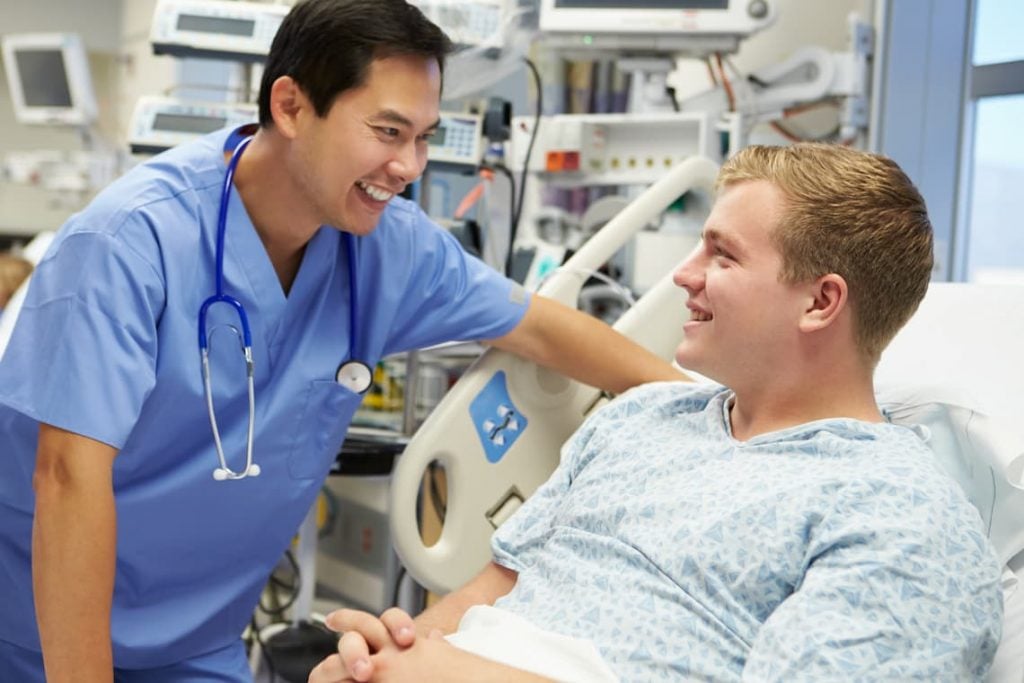
An acute care nurse practitioner (ACNP) is an advanced practice registered nurse (APRN) who specializes in caring for patients experiencing sudden and critical illnesses or injuries. They work in hospitals and treat patients across the lifespan with various acute conditions. Importantly, ACNPs stabilize critical patients and help them transition toward recovery and rehabilitation.
Because ACNPs are APRNs with advanced education and training, the journey toward becoming an ACNP can be a long one. If you have a non-nursing bachelor’s degree, you can begin that journey and develop solid nursing competencies at the University of Mount Saint Vincent.
The Mount’s Accelerated Bachelor of Science in Nursing (ABSN) program teaches essential skills for acute care and all other nursing specialties, allowing students to earn a Bachelor of Science (BS) in nursing in as few as 16 months. Earning a BS in nursing is a necessary first step toward becoming an ACNP.
Before starting your journey toward becoming an ACNP, take a closer look at the nursing responsibilities and education requirements. Examine the career pathway and determine if this career could be right for you.
Roles and Responsibilities of an Acute Care NP
An acute care nurse practitioner typically works with patients who are severely ill, injured, or recovering from surgery or trauma. Some of the tasks an ACNP handles include:
- Assessing and diagnosing patients
- Collaborating with physicians and other healthcare providers
- Developing and managing the nursing care plan
- Performing interventions and procedures, such as intubation, wound debridement, lumbar punctures, and central and arterial line placement
- Prescribing and administering medications and other treatments
Some ACNPs might also participate in nursing research initiatives.

Where Do Acute Care Nurse Practitioners Work?
An acute care NP works in acute care settings, including hospitals, emergency departments, intensive care units, surgical units, and trauma centers. Some ACNPs work in specialty clinics or departments, such as cardiology or pulmonology.
Education and Certification Requirements
An ACNP is a highly educated and credentialed professional. The credentials and training an ACNP need include the following:
- BS in nursing
- RN licensure
- Master of Science (MS) in nursing or Doctor of Nursing Practice (DNP)
- Board certification as an ACNP
- APRN licensure
During a graduate-level acute care NP program, students will study topics such as advanced pharmacology, pathophysiology, and evidence-based practice. These programs combine coursework with clinical experience and hands-on training.
After graduating, the nurse can earn a general ACNP-BC board certification credential or choose a subspecialty area. For example, it’s possible to specialize in adult-gerontology acute care (AGACNP-BC). After earning board certification and APRN licensure, the ACNP must meet the continuing education requirements established by their state to maintain licensure.

Use these top 10 nursing school study tips to help boost your grades.
Skills and Qualities of a Successful Acute Care NP
There are many skills and qualities that ACNPs need to be effective in their high-demand role. These include:
- Ability to stay calm under pressure
- Adaptability
- Clinical decision-making
- Collaboration and teamwork
- Communication skills
- Critical thinking
- Empathy and compassion
- Patient advocacy
Career Outlook and Salary Expectations
The U.S. Bureau of Labor Statistics (BLS) doesn’t track employment data for acute care nurse practitioners specifically, but they do for all types of NPs. According to the BLS, the median annual salary for NPs was $129,210 as of May 2024. Compensation varies based on location, subspecialty, experience, and other factors.
The BLS projects the job growth rate for all types of NPs to be 40% from 2024 through 2034, much faster than the national average, indicating 128,400 added jobs. The aging population and increasing prevalence of chronic conditions are two factors driving this trend.
How to Become an Acute Care Nurse Practitioner
If you’ve decided that becoming an ACNP could be the right career move for you, you’ll need to start by earning a BS in nursing. If you have a non-nursing bachelor’s degree, you can complete this degree in as few as 16 months at Mount Saint Vincent. Then, earn your RN license.
Your next steps toward an ACNP career are as follows:
- Obtain at least a year or two of clinical experience as an RN in an acute care setting, such as an ER or ICU.
- Research your options for higher education. Choose either an MSN or DNP program with a focus on acute care for future nurse practitioners.
- Complete graduate-level coursework and fulfill the clinical experience requirements.
- Graduate with your MSN or DNP.
- Take the board certification exam in your chosen specialty.
- Obtain your APRN license.
During clinical rotations for your graduate degree, you should adopt the same mindset that is helpful for baccalaureate-level nursing students. Assume that you still have much to learn and that you can learn something new from everyone you work with. Be receptive to feedback, take notes, and stay humble.
You should also set aside time to prepare for your board certification exam. It’s best to begin studying well before your degree program concludes. Answer practice questions, including two or more full-length practice exams, and use available study guides.

Discover what to expect during your nursing clinicals.
FAQs About Acute Care Nurse Practitioners
Explore the answers to the following frequently asked questions as you consider pursuing a career as an ACNP.
What Is an Acute Care Nurse Practitioner?
An ACNP is a type of advanced practice registered nurse who works in acute care settings, such as emergency rooms and intensive care units. ACNPs treat patients recovering from surgery or experiencing severe or complex medical problems.
How Is an Acute Care NP Different From a Family NP?
Both ACNPs and family nurse practitioners (FNPs) care for patients across the lifespan; however, FNPs specialize in primary care and preventive health. In contrast, ACNPs manage critical and complex health problems that mandate stabilization and emergency or intensive care.
Can Acute Care NPs Prescribe Medication?
It varies by state. In some states, NPs have full prescribing authority, while in other states, they can only issue prescriptions under physician supervision. In New York, NPs have prescribing authority but must obtain additional approval to do so.
What Specialties Can Acute Care NPs Pursue?
An ACNP can subspecialize in various areas, including:
- Cardiology
- Gastroenterology
- Nephrology
- Orthopedics
- Transplant surgeries
Final Thoughts: Is Acute Care NP the Right Path for You?
An acute care nurse practitioner is a highly trained and credentialed practitioner who can work with autonomy and greater practice authority than an RN. It’s a challenging career pathway, but it can be immensely rewarding.
This path might be right for you if you’re a take-charge type of person with excellent critical thinking and decision-making skills, who can lead a team effectively and provide mentorship to other nurses.
If you feel this career path is right for you and have a non-nursing bachelor’s degree, you can fast-track the first step in your career journey through the Mount’s ABSN program by earning a BS in nursing in as few as 16 months.

Get Started on Your Nursing Journey at Mount Saint Vincent
The University of Mount Saint Vincent is committed to educating the next generation of nurses, preparing them to serve their community and make a positive impact on their patients’ lives. Our ABSN learning sites across the boroughs of NYC offer personalized attention, with small class sizes and Academic Success Coaches, and clinical placements at some of the city’s most renowned healthcare facilities.
Contact our admission team today and take the first step toward a bright future in nursing.