
The importance of networking in healthcare extends to both nursing students and working nurses. Networking in nursing connects you to job opportunities and career advancement, while also providing socioemotional support, career guidance, and mentorship. You can network with cohort members, instructors, and working nurses during clinical rotations.
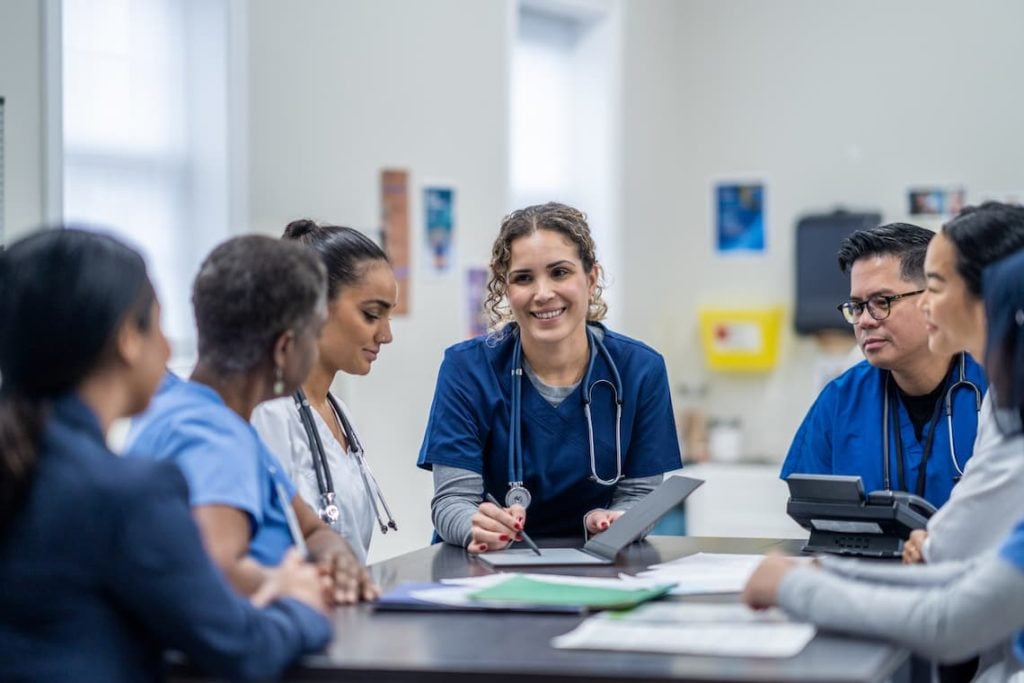
Professional networking in nursing is crucial for many reasons, but above all, it can help you land the job you want after graduating from nursing school. Networking can also be beneficial to those who are currently employed by promoting career development and job satisfaction.
When evaluating registered nurse (RN) applications, hiring managers consider academic background, licensure, certifications, and experience. They may also consider recommendations from current employees.
You don’t have to wait until you’re a nurse to build a professional network. At the University of Mount Saint Vincent in New York City, you can connect with peers, instructors, and working nurses across the boroughs.
Along with networking opportunities for nursing students, the University of Mount Saint Vincent’s Accelerated Bachelor of Science in Nursing (ABSN) program offers didactic coursework, hands-on labs, and clinical experiences at healthcare facilities throughout the city.
As you plan your nursing career, understanding the importance of networking in healthcare can help you build connections that support your goals. Learn how to develop your professional network as a nursing student and expand it throughout your career.
What Is Networking in Nursing?
Networking in nursing is the process of building professional relationships with fellow nurses and other healthcare professionals. A professional network is not everyone you have met in the field. Rather, it consists of people with whom you have developed meaningful connections.
A smaller network of contacts you engage with regularly is often more effective than a large network of people with whom you rarely communicate. Staying in touch helps contacts understand your interests and strengths, making them more likely to think of you when a career opportunity arises.
A professional network is a two-way relationship. As a nursing student, you may not yet be able to recommend a contact for a job, but you can look for ways to support others as your career develops.

Considering nursing as a second career? Explore the process of making a successful transition.
Why Is Networking in Nursing Important for Nursing Students?
Taking advantage of networking opportunities for nursing students can support professional growth and personal development.
Career Direction
Networking connects you with professionals across nursing specialties who may offer career guidance. Their perspectives can help you evaluate potential career directions and specialties.
Student Support
Nursing school can be demanding. A network that includes members of your nursing cohort gives you peers to turn to for emotional support and practical help, including study groups.
Greater Confidence
Adjusting to the nursing profession takes time. Guidance from your professional network can help you navigate the transition, build confidence, and find trusted contacts who can answer questions.
First Nursing Job Opportunities
After passing the NCLEX-RN, you may want to begin working as soon as possible. A professional network can help you secure interviews and learn about unadvertised positions. You will have opportunities to meet and connect with nurses and other healthcare professionals during clinical rotations.
Benefits of Professional Networking for Nurses
Although working nurses are busy, maintaining professional relationships is worthwhile. Professional networking for nurses can expand access to job opportunities, mentorship, and career development.
Job and Career Advancement Opportunities
Participating in nurse networking opportunities can support career growth. Your contacts may refer you to positions that better align with your goals, whether you want to change specialties or work settings or find an employer with a stronger benefits package.
Mentorship and Professional Guidance
Mentorship benefits students and less-experienced nurses alike. You may find an experienced mentor within your professional network who can offer guidance and serve as a sounding board. As you gain experience, you may also choose to support the nursing community by mentoring others.
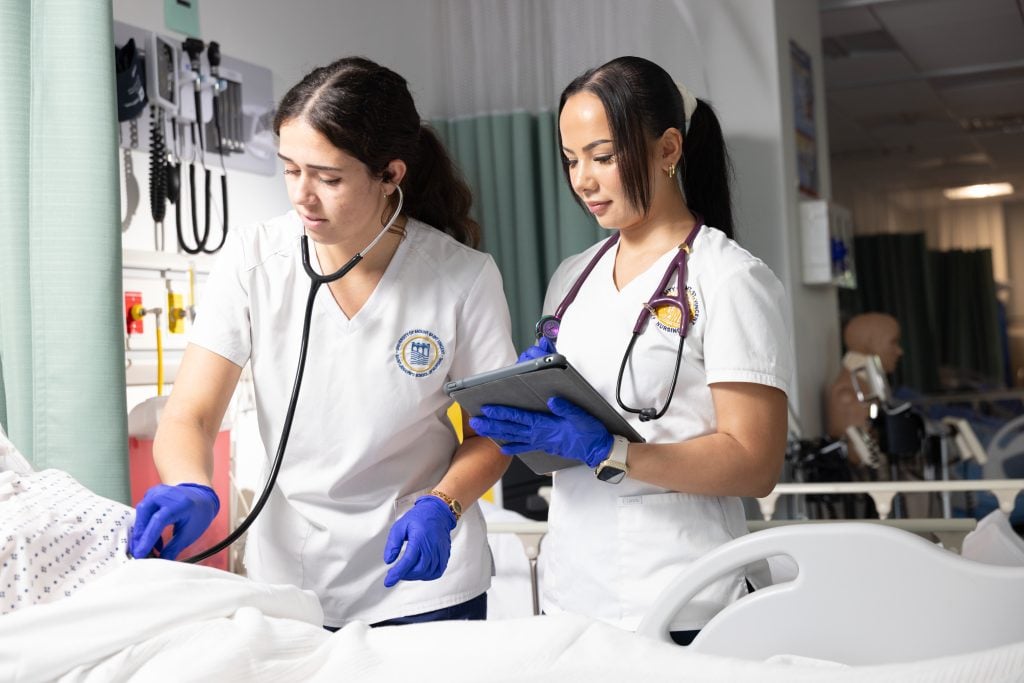
Continuing Education and Career Development
Nurses need to stay committed to lifelong education and career development. Your network may help you identify professional conferences and continuing education opportunities aligned with your goals.
Socioemotional Support
Working nurses face different demands than nursing students. Supporting mental well-being is important, and trusted members of your network may offer emotional support. Be prepared to listen when they need support, too.
Networking Opportunities for Nursing Students
Understanding the importance of networking in healthcare can help you begin building connections before graduation.
Connect With Nursing Cohort Members
A study group offers a simple way to begin building your network. Introduce yourself to members of your nursing cohort and ask who would like to participate. Meet regularly, set an agenda, and plan to stay in touch after nursing school. As cohort members move into different roles and healthcare facilities, your network will expand across a range of settings.
Build Relationships With Nursing Instructors
You should also make the effort to establish good working relationships with your nursing instructors. Actively participate in nursing courses, go to office hours when you have questions, and ask for guidance on your nursing career.
Network During Clinical Rotations
Clinical rotations provide additional networking opportunities. During clinicals, you will work in healthcare facilities alongside and under the supervision of preceptors and other healthcare professionals. Make a strong first impression by arriving early, preparing for the clinical floor, and bringing a notepad to record important information.
Ask thoughtful questions, seek feedback when appropriate, and discuss mentorship opportunities. After each rotation, try to stay in touch with a few people you met.
Join Student Nursing Organizations
Nursing organizations can introduce you to students and professionals beyond your program. Many, including the National Student Nurses Association, welcome student members. After graduation, consider joining organizations for nurses in your region or specialty.
Follow some smart interview tips for nurses to help you ace your job interviews.

How to Network as a Working Nurse
Working nurses can build connections during every shift. Develop relationships with nurses in your department and seek mentorship when appropriate. Other networking opportunities include:
- Attending professional conferences and events
- Joining professional nursing organizations, such as the American Nurses Association (ANA)
- Maintaining a professional social media presence while following HIPAA requirements and employer conduct policies
- Participating in in-person or virtual continuing education courses
Begin Building Your Network at Mount Saint Vincent
The University of Mount Saint Vincent provides nursing education in New York City, connecting students with networking opportunities at healthcare facilities throughout the area.
With ABSN learning sites in the Bronx, Queens, and Brooklyn, plus Saint Joseph’s Medical Center in Yonkers, Mount Saint Vincent serves nontraditional students throughout the New York City metro area.
Students benefit from small class sizes, personalized attention from instructors, and one-on-one access to Academic Success Coaches. Clinical rotations also provide opportunities to connect with cohort members, instructors, preceptors, and working nurses.
If you have a non-nursing bachelor’s degree, you may be eligible for Mount Saint Vincent’s ABSN program. Request info today and connect with an admission counselor to learn more.