
Learning how to become an oncology nurse is a good choice for you if you’re interested in cancer care. Oncology nurses care for cancer patients from diagnosis to treatment to remission. This career requires a nursing degree, such a BS in nursing, and RN licensure. Certification is also helpful.
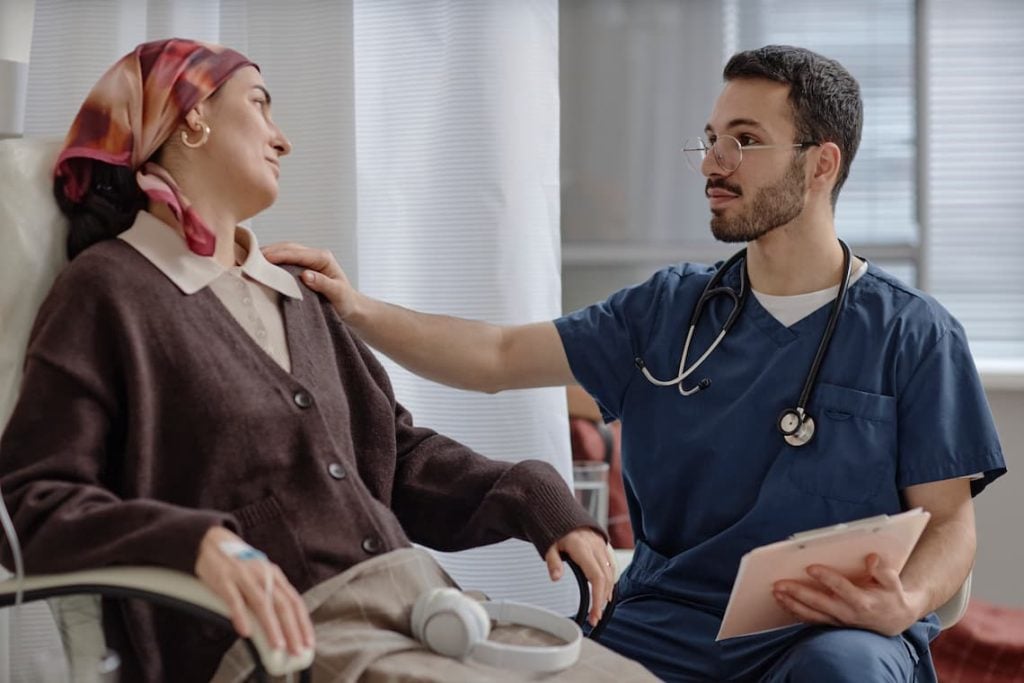
To become an oncology nurse, you’ll need a nursing degree, such as a Bachelor of Science (BS) in nursing, and a registered nurse (RN) license. After gaining oncology nursing experience, you may choose to pursue certification. Explore how to become an oncology nurse if you want to care for patients with serious illnesses and build lasting relationships with them.
At the University of Mount Saint Vincent, you can earn a BS in nursing in as few as 16 months through the Accelerated Bachelor of Science in Nursing (ABSN) program. The program provides clinical experience across practice areas such as adult health, acute care, and intensive care.
As you apply to nursing school and progress through your program, consider your career goals. Learn what an oncology nurse does and which skills support this specialty, then review the career requirements.
What Is an Oncology Nurse?
An oncology nurse is a registered nurse who cares for patients with cancer from diagnosis through treatment and recovery. These RNs collaborate with oncologists, nurses, and other healthcare providers to administer treatment, manage side effects, and help patients cope with their diagnosis.
What Does an Oncology Nurse Do?
An oncology nurse has responsibilities that include patient education, treatment administration, and care coordination.
Educate Patients and Their Families
Patient and family caregiver education is a significant part of oncology nursing. An oncology RN may help patients learn about their type of cancer and how it may affect them. These RNs explain care plans, clarify side effects, and discuss the risks and benefits of different treatments.
Oncology nurses also teach family caregivers how to care for a loved one at home and explain lifestyle changes that may support treatment.
Administer Treatments and Manage Symptoms
Oncology RNs administer medications, including chemotherapy and other infusion treatments, and teach patients how to manage oral medications at home. They also assess cancer symptoms and treatment side effects, then develop care plans to manage them.
Coordinate Cancer Care
Cancer treatment is a team effort. It requires coordination among nursing staff and providers such as surgical, medical, and radiation oncologists; radiologists; nutritionists; rehabilitative therapists; and other specialists. An RN coordinates the care their patients receive.
Provide Emotional Support
A cancer diagnosis and treatment can be emotionally distressing and disrupt many aspects of a patient’s life. An oncology nurse listens with empathy and helps patients stay engaged in treatment.

Is nursing school hard? Learn what you can expect.
Where Do Oncology Nurses Work?
Oncology RNs work in healthcare settings that care for patients with cancer, including hospitals, stand-alone cancer centers, outpatient clinics, and specialty clinics. Some work for home healthcare agencies.
Essential Oncology Nursing Skills and Qualities
Oncology nursing can be challenging because cancer is complex and a diagnosis is emotionally charged. The work calls for not only clinical skills but also interpersonal skills and emotional resilience.
Compassion and Emotional Resilience
Empathy and compassion help oncology nurses connect with patients, understand their concerns, and offer emotional support. Because the work can be emotionally demanding, nurses also need resilience.
Communication and Patient Education
Patient education helps patients understand their options and make informed treatment decisions. Clear communication allows oncology nurses to explain complex information and answer questions.
Critical Thinking and Attention to Detail
Oncology RNs must monitor patients closely for adverse reactions and side effects. They also gather information about symptoms, overall health, and lifestyle. Critical thinking helps nurses determine whether those details require changes to the nursing care plan.
Collaboration and Care Coordination
Oncology RNs coordinate care among providers and collaborate with the broader care team to support patients.

How to Become an Oncology Nurse
Understanding what an oncology nurse does and how to become an oncology nurse can help you evaluate this career path.
Earn a Nursing Degree
Every oncology nurse needs a nursing degree, such as a BS in nursing. A BS in nursing program combines nursing theory with hands-on labs and clinical rotations that prepare you for practice.
If you do not have a college degree, you can pursue a traditional BS in nursing program. If you hold a non-nursing bachelor’s degree, you may be eligible to apply to Mount Saint Vincent’s ABSN program. After completing any required prerequisites, you could graduate in as few as 16 months, accelerating your transition to oncology nursing.
Pass the NCLEX-RN
After graduation, apply to the state board of nursing where you plan to work for Authorization to Test, which allows you to schedule the NCLEX-RN licensure exam. The exam assesses clinical judgment, which is your ability to use evidence-based frameworks and nursing knowledge to develop appropriate responses to patient care scenarios. After passing the exam, you’ll receive your RN license.
Gain Relevant Clinical Experience
Once licensed, you can apply for entry-level oncology nursing positions. If you want to pursue a subspecialty, such as pediatric or surgical oncology, focus your search on relevant roles.
Consider Oncology Nursing Certification
Professional certification may support your development in a specialty. One option is the Oncology Certified Nurse credential from the Oncology Nursing Certification Corporation. This credential is not entry-level; it requires clinical experience and relevant continuing education.
Oncology nursing subfields, such as pediatric hematology, breast care, and radiation oncology, also offer certification options. Earning one or more certifications may support your career goals.

What is an ABSN program and is it right for you?
Oncology Nurse Salary and Career Outlook
Questions about oncology nurse salary and career outlook may factor into your decision. According to the U.S. Bureau of Labor Statistics (BLS), the median annual salary for all types of RNs was $97,550 in May 2025. The projected job growth rate is 6% from 2025 to 2035, faster than the average for all occupations. Although these figures cover all RNs rather than oncology nurses specifically, they can provide context for nursing students.
Is Oncology Nursing Right for You?
To decide whether oncology nursing is right for you, consider whether:
- You are committed to caring for patients
- You can comfort patients and family members in emotional distress
- You value celebrating patients’ recovery milestones
- You want to apply emerging oncology research in practice
Oncology nursing can help you build meaningful relationships with patients and their families, but the work may also take an emotional toll. Consider your emotional resilience and ability to maintain professional boundaries.
While you will face challenges as a nurse, there are many rewards, such as knowing you can make a positive difference in others’ lives. You can meet challenges through prioritizing self-care and leaning on the support from family, friends, and colleagues.

Begin Your Path Toward Becoming an Oncology Nurse
The University of Mount Saint Vincent offers innovative, inclusive nursing education focused on developing the whole student. Known as the “Right Place on the River,” the Mount offers its ABSN program at five learning sites in and around New York City. Earn a BS in nursing in as few as 16 months with support from small class sizes and academic success coaches.
Request info today and connect with an admission counselor to get started.