
What do nurses do in nursing homes? A nursing home nurse is responsible for preventing falls and infections, promoting the physical and emotional well-being of residents, managing medications, and performing wound care, among other tasks. Nursing home RNs may specialize in areas like pain management, memory care, or behavioral health.
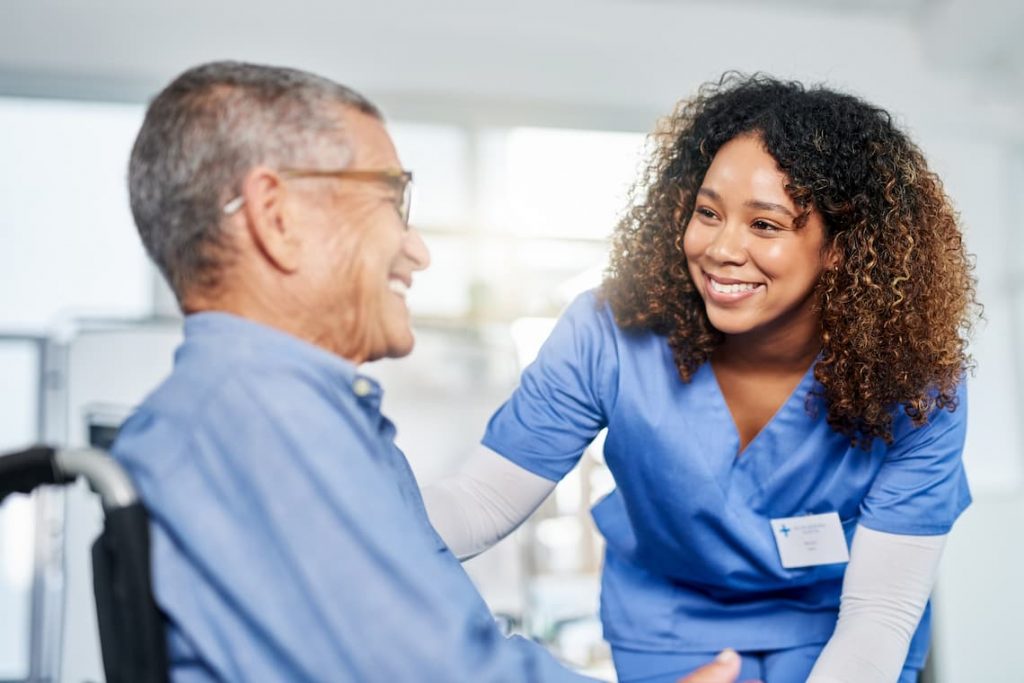
While many senior citizens prefer to live in their own homes for as long as possible, there may come a time when it is no longer safe or practical. In nursing homes, they receive the nursing care and general assistance they need when living at home is no longer possible.
As a vulnerable population, seniors deserve compassionate nursing care that allows them to live in comfort. Because of this, nursing home nurses have significant responsibilities.
The University of Mount Saint Vincent’s Accelerated Bachelor of Science in Nursing (ABSN) program can help you work toward your career goals, including working as a nurse in a nursing home. By leveraging your prior non-nursing bachelor’s degree, you could earn a Bachelor of Science (BS) in nursing in as few as 16 months in the heart of New York City.
Of course, you don’t need to choose a nursing specialty right away. Take some time to learn more about the role of a nurse in a nursing home and their typical responsibilities. Reflect upon the necessary skills and personal qualities of a nursing home nurse, then take a closer look at the career credentials.
Is becoming a nurse right for you? Explore the benefits of a nursing career.
What Is the Role of a Nurse in a Nursing Home?
The primary mission of a nursing home nurse is to safeguard the health and safety of patients while working to improve their quality of life and well-being. Nursing home residents often have complex medical needs and co-morbidities that require careful medical management and constant monitoring.
Some nursing home residents may also suffer from poor mental health, with conditions such as depression and anxiety. They might be grieving their loss of independence and looking to the future with trepidation. Nursing home nurses need to be highly compassionate professionals who can provide emotional support to their patients and their patients’ family members.
Types of Nurses Who Work in Assisted Living Facilities
Multiple career choices await you in long-term care facilities. One common type of nurse in a nursing home is a licensed practical nurse (LPN), also called a licensed vocational nurse (LVN) in some states.
An LPN provides basic nursing care, such as monitoring vital signs, changing bandages, documenting patient care, and relaying concerns to RNs or other clinicians. They also assist patients with the activities of daily living (ADLs), such as feeding, bathing, and grooming.
Registered nurses have a broader scope of authority. They can make independent patient care decisions, administer medications, deliver patient education, and develop nursing care plans. In a nursing home setting, RNs may have different nursing specialties:
- Memory care nursing
- Oncology nursing
- Pain management nursing
- Psychiatric nursing
Other nurses who work in nursing homes are advanced practice registered nurses (APRNs), such as nurse practitioners (NPs). NPs can practice with a broader scope of authority than RNs. In many states, they hold full prescribing authority.
NPs serve as nurse leaders, mentoring other clinicians and providing care coordination within the nursing home setting. To become an NP, it’s necessary to obtain a graduate degree in nursing, pass a board certification exam, and obtain an APRN license.
The nursing home setting also allows for different administrative positions for nurses, such as nurse navigators, wellness directors, and nursing home administrators, which require a special license from the state.
How long does it take to become a nurse? Learn about the career pathway and typical timeline.
What Do Nurses Do in Nursing Homes?
In long-term care facilities, registered nurses are responsible for carrying out the necessary tasks to promote well-being, prevent falls and infections, and manage acute and chronic health conditions. They frequently monitor patients, check their vital signs, and conduct assessments to identify any changes in health status. It’s also important for RNs to evaluate their patients for changes in behavior and cognitive function.
Some of the tasks an RN may do in a nursing home include:
- Administering medications, ensuring proper dosage, and watching for adverse reactions
- Delivering patient education to patients and family members
- Developing and contributing to nursing care plans in collaboration with other healthcare providers
- Identifying the signs that a resident needs to receive medical care in a hospital and arranging for the inter-facility transfer
- Performing wound care and implementing measures to prevent bedsores
- Providing emotional support to patients and family members
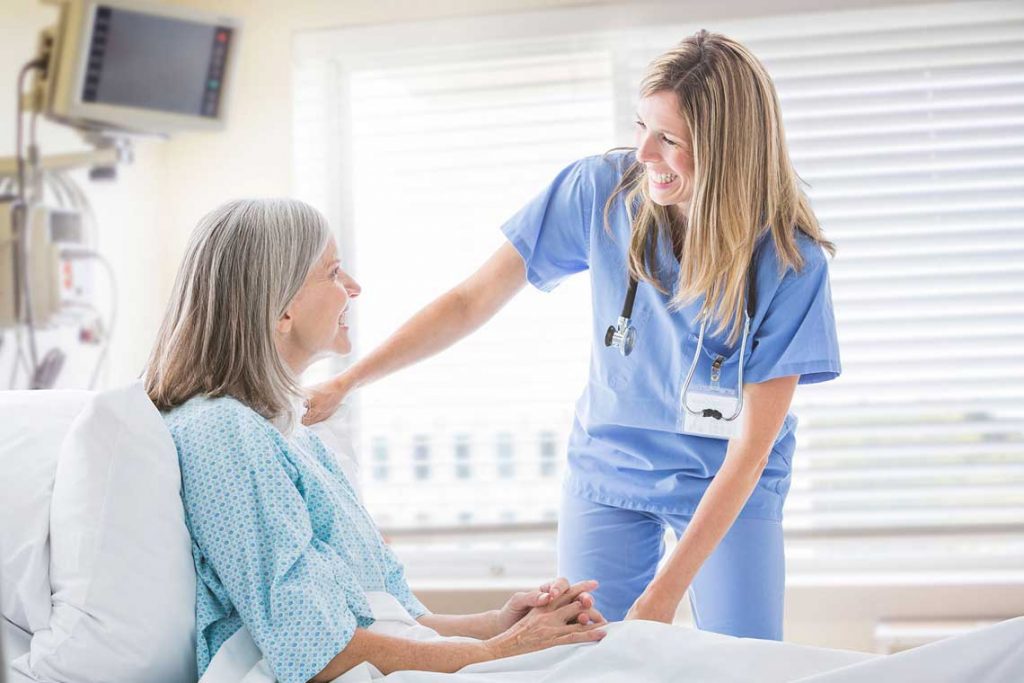
Important Skills and Qualities of RNs in Nursing Homes
Working as a nurse in a nursing home can be difficult at times. These RNs must draw on a diverse set of skills and personal characteristics to handle the challenges and deliver the best possible patient care. Some of the most important personal qualities and soft skills include:
- Adaptability
- Attention to detail
- Collaborative mindset
- Compassion
- Emotional resilience
- Leadership
- Respect for all
- Time management
Nursing home RNs also need strong technical skills. Some of the top nursing skills in this healthcare environment include:
- Emergency care
- Infection control
- Medical equipment operation
- Medication management
- Patient and family education
- Patient mobility assistance
- Patient safety, including fall prevention
Are you thinking of transitioning from LPN to RN? Explore the benefits of making the switch.
Certification Options for Geriatric Nursing
Aspiring nursing home RNs must follow the same educational pathway as other future RNs before pursuing optional certifications. You’ll first need to graduate from nursing school and earn a nursing degree, such as a BS in nursing.
The nursing school curriculum combines coursework with experiential nursing labs and clinicals, which provide hands-on experience in delivering nursing care. At Mount Saint Vincent, our clinical rotations include a long-term care clinical, where students can experience the type of care they’d deliver in a nursing home.
After graduating with a BS in nursing, you’ll need to pass the NCLEX-RN to obtain an RN license. Then, you can start looking for nursing jobs in long-term care facilities. After gaining some experience, you might explore optional certification options to enhance your career qualifications.
Certifications include:
- Gerontological Nursing Certification (GERO-BC)
- Advanced Certified Hospice and Palliative Nurse
- Certified Continence Care Nurse
- Gerontological Specialist Certification for APRNs
How Mount Saint Vincent Prepares Future Nurses
Mount Saint Vincent’s ABSN program delivers values-based education, with a mission to prepare our nursing students to deliver holistic, compassionate care grounded in evidence-based practice.
We believe a nurse’s highest calling is to serve their community and improve the lives of their patients. No matter where you plan to do this, whether in a nursing home or another healthcare setting, you can build a foundation for success at the Mount.
Our transformative nursing school focuses on the development of the whole student. Our small class sizes and Academic Success Coaches facilitate your academic progress, while our accelerated timeline and three start dates per year can jumpstart your entry into the profession.
If you have a non-nursing bachelor’s degree, request info today to find out if the ABSN program is right for you.